
Delhi Metro Travel: A Daily Reality for Professionals and Urban Commuters
Delhi Metro travel has become an unavoidable part of daily life for millions of people living in the capital. For office-going professionals, students, and daily commuters, Delhi Metro travel is often the fastest and most affordable way to move across the city. However, after spending five years traveling regularly in the metro, I have experienced both its efficiency and its limitations.
This blog is written from real commuter experience combined with expert analysis, keeping trust, accuracy, and practicality at the center.
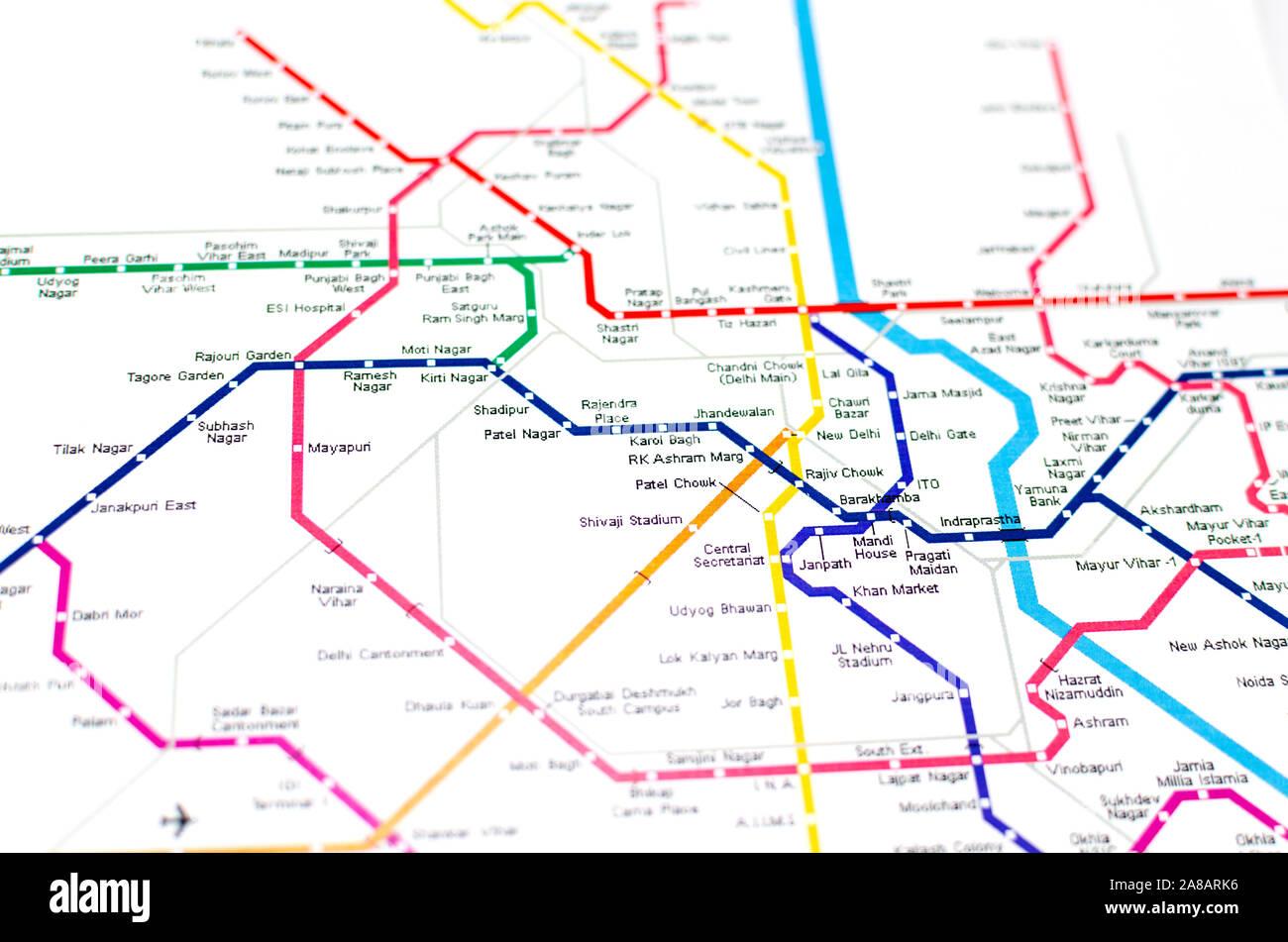
Why Delhi Metro Travel Is Essential for City Life
Delhi Metro travel plays a critical role in keeping the city functional. With Delhi’s traffic congestion and rising fuel costs, the metro remains the most dependable public transport system. Professionals depend on Delhi Metro travel to reach offices on time, students rely on it for education, and many workers use it as their primary daily commute.
From an infrastructure point of view, Delhi Metro travel is well-planned. Wide network coverage, predictable routes, and relatively affordable fares make it more reliable than road transport. Compared to buses or cabs, Delhi Metro travel offers consistency—something professionals value the most.
The Reality of Overcrowding in Delhi Metro Travel
One of the biggest challenges in Delhi Metro travel is overcrowding, especially during peak hours. Morning and evening rush hours often turn metro coaches into tightly packed spaces where standing becomes unavoidable.
From personal experience, overcrowding affects productivity even before the workday begins. Professionals start their day tired and stressed. Students struggle to concentrate, and daily wage commuters face physical exhaustion. While Delhi Metro travel saves time on paper, overcrowding reduces comfort and increases mental fatigue.
Peak-Hour Stress and Time Consumption
Although Delhi Metro travel is designed to save time, peak-hour stress often creates delays. Entry queues, security checks, token lines, and crowded platforms add unexpected waiting time.
For professionals, even a small delay during Delhi Metro travel can lead to missed meetings or late office entries. Over time, this daily stress affects work-life balance. Students face similar pressure during exams or early classes, making Delhi Metro travel mentally demanding during rush hours.
Civic Sense: A Social Challenge in Delhi Metro Travel
Another issue faced regularly during Delhi Metro travel is the lack of civic sense among some commuters. Pushing while boarding, blocking doors, ignoring queues, and loud phone conversations are common problems.
From a commuter’s point of view, improving civic behavior is just as important as improving infrastructure. Delhi Metro travel would become significantly more comfortable if basic etiquette were followed. Professionals, especially, value calm and respectful commuting environments.
Safety and Security Concerns
Delhi Metro travel is generally safer than most public transport options, yet safety concerns still exist. During overcrowded hours, incidents of pickpocketing, discomfort, and mismanagement occasionally occur.
For women professionals and students, safety during Delhi Metro travel remains a priority. While security staff and surveillance are present, better crowd control and faster response systems could further strengthen trust in the system.
Delays and Operational Issues
Operational delays, though not frequent, disrupt Delhi Metro travel when they occur. Technical faults, signaling issues, or sudden announcements without clarity create confusion among commuters.
From an expert standpoint, communication plays a key role. When Delhi Metro travel is delayed, clear and timely updates can significantly reduce frustration. Professionals depend on predictable schedules, and transparency builds confidence.
Why Professionals Still Choose Delhi Metro Travel
Despite these challenges, Delhi Metro travel remains the preferred option for most professionals. The reason is simple—no other mode of transport offers the same balance of cost, speed, and coverage.
Cabs are expensive and unreliable during traffic hours, buses are slower, and personal vehicles add parking stress. Delhi Metro travel, even with its flaws, still outperforms alternatives in overall efficiency.
Expert Suggestions to Improve Delhi Metro Travel
Based on five years of daily usage and professional observation, a few improvements could enhance Delhi Metro travel significantly:
Increased train frequency during peak hours
Better crowd and queue management
Civic sense awareness campaigns
Improved real-time delay communication
Enhanced security during rush hours
These changes would directly improve Delhi Metro travel for professionals and daily commuters.
A Balanced, Realistic Perspective
From both an expert and commuter perspective, Delhi Metro travel is not perfect—but it is essential. It reflects the challenges of a growing city struggling to balance population pressure with infrastructure capacity.
Delhi Metro travel succeeds in moving millions daily, but the next phase must focus on comfort, dignity, and time efficiency for commuters.
Final Thoughts from a Daily Metro Commuter
Delhi Metro travel shapes the daily routine of Delhi’s workforce. After five years of regular commuting, I believe the metro remains the city’s strongest transport backbone. While overcrowding, delays, and civic issues persist, the system continues to evolve.
With smarter management and commuter awareness, Delhi Metro travel can become not just efficient, but genuinely comfortable for professionals and everyday users.